July 25, 2026
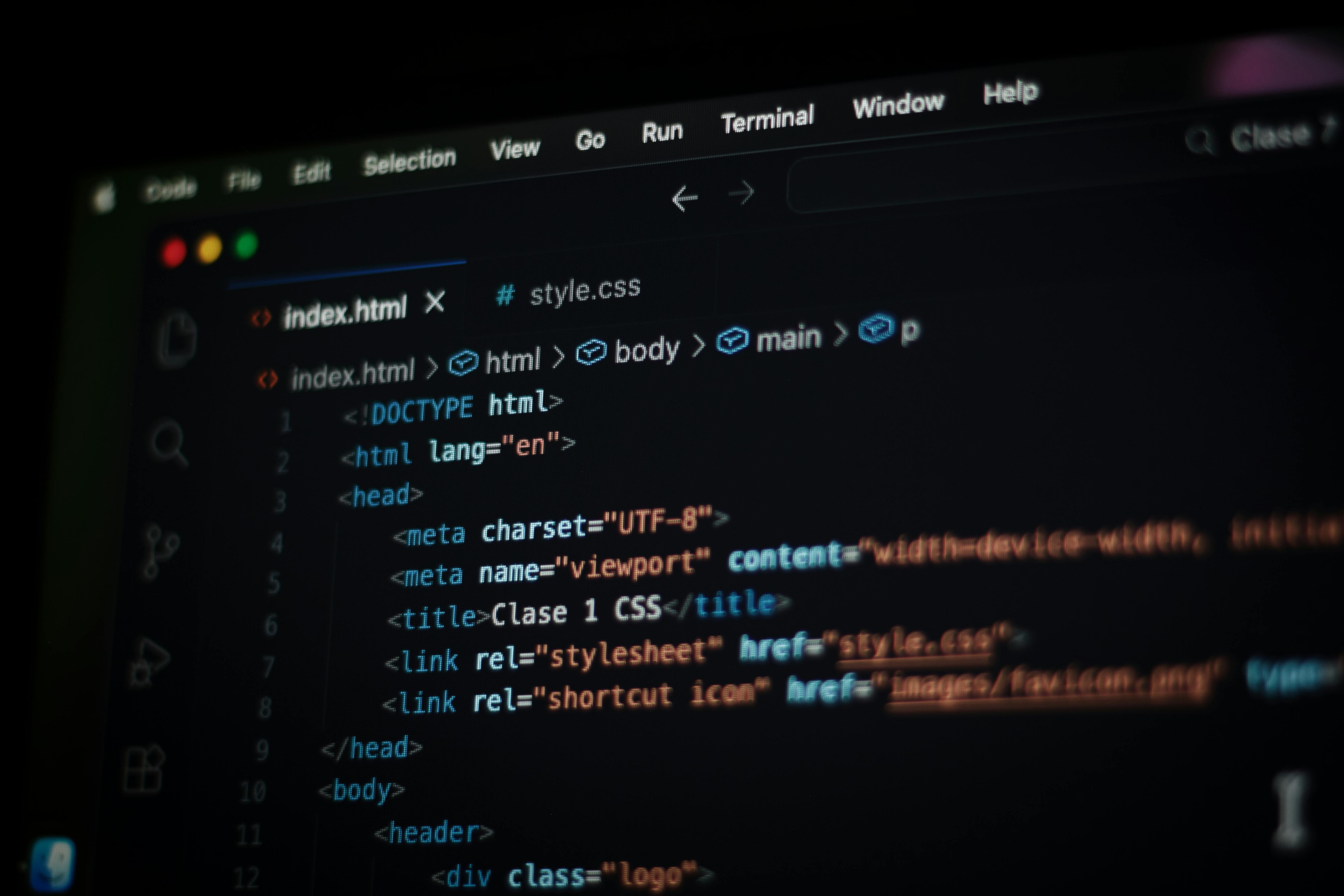
10 HTML Tricks Experts Use That You Can Start Using Today
Discover ten lesser-known HTML features that solve real problems without JavaScript. From native modals to semantic progress indicators, these patterns...
Artikel lesen
Blog-Artikel
Web development continues to evolve quickly, but a few languages remain at the center of almost every project.
readytools
July 3, 2026
4 Min. Lesezeit

Image source: images.unsplash.com
Teilen
Web development continues to evolve quickly, but a few languages remain at the center of almost every project. Whether you are building frontend interfaces, backend APIs, or full-stack applications, these five languages dominate the field in 2026. Here is a clear breakdown of the top programming languages every web developer should know right now.
JavaScript remains the foundation of the modern web. It powers interactive elements on the frontend and runs server-side applications through Node.js. Almost every website uses JavaScript in some form. Popular frameworks and libraries such as React, Vue, Angular, and Svelte all rely on it. On the backend, Node.js and Express allow developers to use the same language across the entire stack. In 2026, JavaScript is still the most widely used language for web projects. If you want to work on websites, web applications, or full-stack development, strong JavaScript skills are essential.
TypeScript has moved from a nice-to-have to a near requirement for professional web development. It adds static typing to JavaScript, which reduces bugs and improves code quality in larger projects. Most modern frontend frameworks now recommend or default to TypeScript. Companies building scalable web applications prefer it because it makes code easier to maintain and refactor over time. Many job postings for frontend and full-stack roles in 2026 list TypeScript experience as a key requirement. If you are serious about web development, learning TypeScript alongside JavaScript is one of the highest-return skills you can develop.
Python continues to grow in web development, especially for backend services. Frameworks like FastAPI, Django, and Flask make it fast to build robust APIs and data-driven web applications. Python excels when your web project involves data processing, machine learning features, or complex business logic. It is also popular for building internal tools and admin dashboards. In 2026, many teams choose Python for new backend services because of its readability, large ecosystem of libraries, and strong community support. It pairs especially well with modern frontend frameworks.
PHP remains relevant because it still powers a huge portion of the internet. Content management systems like WordPress, e-commerce platforms, and many enterprise websites continue to run on PHP. Frameworks such as Laravel have kept PHP modern and developer-friendly. While it does not lead in new greenfield projects as often as it once did, the demand for PHP developers stays steady due to the massive amount of existing codebases that need maintenance and updates. If you work with legacy systems, WordPress sites, or mid-sized web applications, PHP knowledge remains very practical in 2026.
Go has gained significant traction for building high-performance backend services. Its simplicity, speed, and excellent concurrency support make it a strong choice for APIs, microservices, and cloud-native applications. Many companies are adopting Go for new backend projects because it produces lightweight, efficient services that scale well. Popular tools and platforms in the cloud space are often written in Go, which increases its relevance for web developers working on modern infrastructure. While it has a smaller share than the top four languages, Go is one of the fastest-growing options for developers who want to build fast and reliable web backends.
| Rank | Language | Best For | Key Frameworks | Why It Matters in 2026 |
|---|---|---|---|---|
| 1 | JavaScript | Frontend + Full-stack | React, Vue, Node.js | Universal web language |
| 2 | TypeScript | Professional and large-scale apps | React, Angular, NestJS | Better code quality and scale |
| 3 | Python | Backend, APIs, data-heavy apps | FastAPI, Django, Flask | Fast development + AI features |
| 4 | PHP | WordPress, legacy systems, CMS | Laravel | Still powers massive parts of web |
| 5 | Go | High-performance backends | Gin, Fiber, Echo | Speed and scalability |
There is no single best language for every web developer. The right choice depends on the type of projects you want to work on:
The web development landscape in 2026 rewards developers who understand multiple languages and know when to use each one. Start with JavaScript and TypeScript if you are new, then expand based on the projects and teams you want to join. Which of these languages are you currently learning or using the most?
Entdecke ReadyTools: die ultimative Produktivitätssuite für Creator. Wunderschöne Linksy-Seiten, smarte Lara-KI, Projektmanagement, sicherer Cloud-Speicher und alles andere, was du brauchst – vereint an einem Ort. Starte noch heute deine 7-tägige kostenlose Testphase.
ReadyTools erkundenWeiterlesen
July 25, 2026
Discover ten lesser-known HTML features that solve real problems without JavaScript. From native modals to semantic progress indicators, these patterns...
Artikel lesen
July 24, 2026
The new Boards block brings Kanban-style project management directly into Workspace pages, supporting hundreds of cards, nested content, and full...
Artikel lesen
July 23, 2026
From synchronization engines to suggestion modes, the July 14-21 updates show what happens when a collaborative editor invests in the layers users rarely..
Artikel lesen